Philips Healthcare, Netherlands: Products, Medical Technology and Healthcare Solutions
Introduction
Philips Healthcare is the healthcare technology business of Royal Philips, a Netherlands-based technology company with a long history in healthcare innovation. Unlike the consumer side of Philips, which is known for products such as personal-care and household electronics, Philips Healthcare focuses on technologies and solutions used by hospitals, diagnostic centers, clinics, physicians and other healthcare professionals.
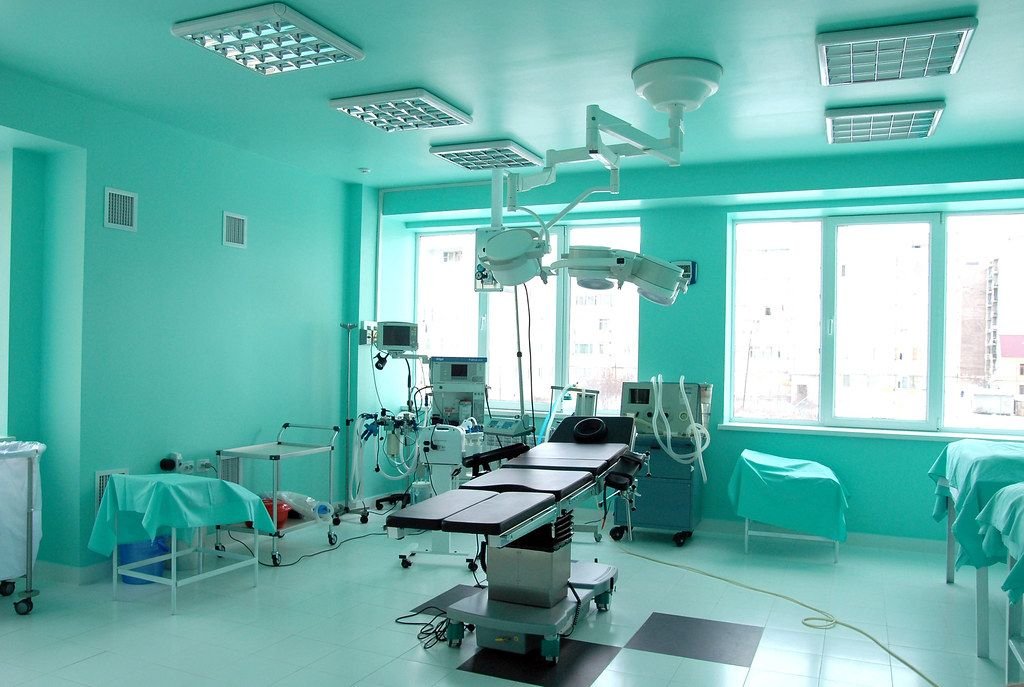
Its portfolio covers medical imaging, patient monitoring, ultrasound, image-guided therapy, clinical informatics, respiratory care, diagnostic ECG, digital pathology, emergency care, mother-and-child care, and healthcare software. Philips describes its healthcare portfolio as an integrated ecosystem designed to connect devices, clinical data, software and workflows.
What Does Philips Healthcare Make?
Philips Healthcare manufactures and provides a broad range of medical equipment, software, clinical systems, accessories and healthcare services.
Its major areas include:
- MRI systems
- CT scanners
- X-ray and fluoroscopy systems
- Ultrasound machines
- Mammography systems
- Image-guided therapy systems
- Mobile C-arms
- Patient monitoring systems
- ECG and diagnostic cardiology equipment
- Hospital respiratory-care equipment
- Ventilators
- Sleep and respiratory-care solutions
- Mother-and-child care equipment
- Emergency-care and resuscitation equipment
- Clinical and diagnostic informatics
- Enterprise imaging systems
- Digital pathology solutions
- Healthcare software and analytics
- Medical supplies and accessories
- Equipment service, maintenance and upgrades
Philips’ current professional healthcare portfolio includes products and solutions across imaging, patient monitoring, respiratory care, informatics, image-guided therapy and several other clinical areas.
1. Philips Medical Imaging
Medical imaging is one of Philips Healthcare’s most recognizable areas.
The company develops systems that help doctors obtain images of organs, tissues, blood vessels and other structures inside the body.
Major imaging technologies include:
- MRI
- CT
- X-ray
- Fluoroscopy
- Mammography
- Molecular imaging
- Image-guided X-ray systems
- Mobile C-arm systems
These technologies are used across radiology, cardiology, oncology, surgery, emergency medicine and other specialties.
2. MRI Machines
Philips develops Magnetic Resonance Imaging (MRI) systems for hospitals and diagnostic centers.
MRI uses magnetic fields and radiofrequency technology rather than ionizing X-rays to produce detailed images of different parts of the body.
Philips’ MRI portfolio is designed around diagnostic image quality, workflow efficiency, patient experience and clinical applications. The company also provides services, software and upgrades for MRI installations.
MRI systems can be used for examinations involving:
- Brain
- Spine
- Joints
- Muscles
- Abdomen
- Pelvis
- Blood vessels
- Neurological conditions
- Musculoskeletal conditions
3. CT Scanners
Philips also develops Computed Tomography (CT) systems.
A CT scanner uses X-rays and computer processing to create cross-sectional images of the body. These images can then be reconstructed into detailed views that help physicians evaluate injuries, diseases and other medical conditions.
Philips’ CT solutions are designed to support diagnostic confidence while addressing workflow and clinical complexity.
CT systems may be used for:
- Emergency imaging
- Trauma assessment
- Chest imaging
- Abdominal imaging
- Cardiac imaging
- Vascular examinations
- Oncology
- Neurological imaging
4. X-Ray and Fluoroscopy Equipment
Philips offers radiography and fluoroscopy systems for hospitals and diagnostic departments.
Traditional X-ray systems produce static images, while fluoroscopy can provide real-time X-ray imaging during certain procedures.
These technologies can be useful in:
- General radiography
- Orthopaedics
- Emergency care
- Gastrointestinal examinations
- Interventional procedures
- Surgical procedures
Philips also provides service and maintenance programs for diagnostic X-ray equipment.
5. Ultrasound Machines
Ultrasound is another major Philips Healthcare category.
Philips produces ultrasound systems for multiple clinical specialties, including cardiovascular care, general imaging, women’s health and point-of-care applications.
The portfolio includes different types of systems designed for hospitals, specialty departments and portable/point-of-care use.
Ultrasound can be used for:
- Pregnancy examinations
- Heart examinations
- Abdominal imaging
- Vascular studies
- Musculoskeletal imaging
- Emergency assessment
- Point-of-care examinations
Portable ultrasound technology can also allow clinicians to perform examinations closer to the patient.
6. Image-Guided Therapy
One of Philips Healthcare’s important areas is Image-Guided Therapy (IGT).
This technology combines imaging systems, specialized medical devices, software and clinical workflows to help physicians perform minimally invasive procedures.
Philips’ portfolio includes Azurion image-guided therapy systems, hybrid operating-room solutions and Zenition mobile C-arm systems.
These technologies can support procedures involving:
- Interventional cardiology
- Peripheral vascular treatment
- Neurological interventions
- Electrophysiology
- Structural heart procedures
- Oncology
- Vascular procedures
- Surgery
- Pain management
- Spine procedures
The objective is to allow clinicians to visualize anatomy and guide instruments during procedures.
7. Interventional Medical Devices
Philips’ image-guided therapy business extends beyond imaging machines.
Its portfolio includes specialized devices and technologies such as:
- Intravascular ultrasound (IVUS) catheters
- Specialty balloons
- Interventional tools
- Physiological measurement technologies
- Atherectomy systems
- Crossing devices
- Lead-management technologies
These products can be used during cardiovascular and vascular interventions.
8. Patient Monitoring Systems
Patient monitoring is another major Philips Healthcare business.
Philips offers monitoring solutions that can collect and display important physiological information from patients.
Its portfolio includes:
- Bedside patient monitors
- Transport monitors
- Central monitoring systems
- Maternal and fetal monitoring
- Clinical measurement technologies
- Remote patient monitoring
- Mobile clinical applications
- Enterprise monitoring solutions
Philips says its monitoring ecosystem is designed to provide clinicians with live patient data across different care environments.
Common measurements include:
- ECG
- Heart rate
- Blood pressure
- Oxygen saturation
- Temperature
- Respiratory measurements
- Capnography
9. Diagnostic ECG Equipment
Philips also provides electrocardiography (ECG) technologies.
ECG equipment records the electrical activity of the heart and is widely used for cardiac assessment.
Philips combines ECG devices, accessories and software into broader cardiology workflows.
Its healthcare portfolio also includes diagnostic informatics solutions that can help connect clinical information across departments.
10. Hospital Respiratory Care
Respiratory care is another important Philips Healthcare category.
Products and solutions in this area are intended for hospital and clinical respiratory-care environments.
The portfolio includes technologies related to:
- Ventilation
- Respiratory monitoring
- Airway management
- Critical-care respiratory support
- Hospital respiratory care
Philips also maintains a separate sleep and respiratory-care portfolio.
Because respiratory devices can be subject to country-specific regulatory requirements and safety notices, hospitals and patients should always verify the status of a specific Philips device with Philips or the relevant healthcare authority.
11. Sleep and Respiratory Care
Philips has also been associated with technologies for sleep-disordered breathing and home respiratory care.
These include solutions involving:
- CPAP
- Bi-level positive airway pressure
- Sleep therapy equipment
- Respiratory accessories
- Patient interfaces
- Airway-clearance technologies
Philips’ healthcare documentation continues to list sleep and respiratory care among its professional healthcare categories.
However, specific device availability and safety status can vary by country and model, so individual products should be checked through official Philips support channels.
12. Mother and Child Care
Philips Healthcare also develops technologies intended for maternal and newborn care.
These solutions can support healthcare professionals during:
- Pregnancy monitoring
- Labor and delivery
- Fetal monitoring
- Newborn care
- Neonatal monitoring
- Maternal monitoring
The company’s broader healthcare portfolio includes mother-and-child care as a dedicated product category.
13. Emergency Care and Resuscitation
Philips has also developed healthcare technologies for emergency and resuscitation environments.
These can include:
- Defibrillation technologies
- Emergency-care equipment
- Resuscitation accessories
- Monitoring technologies
- Clinical data connectivity
Such equipment can be used in emergency departments, ambulances, hospitals and other acute-care environments.
14. Healthcare Informatics and Software
Modern hospitals generate enormous quantities of medical data. Philips therefore operates beyond physical medical equipment and provides healthcare software and informatics solutions.
Its portfolio includes areas such as:
- Diagnostic informatics
- Enterprise imaging
- Clinical informatics
- Medical device integration
- Healthcare analytics
- Digital pathology
- Telehealth
- Retrospective clinical analytics
The goal is to connect information from different devices and departments so that clinicians can access relevant data within their workflows.
15. Enterprise Imaging
Philips provides technologies designed to help healthcare organizations manage medical images and related information across departments.
Enterprise imaging can connect data from areas such as:
- Radiology
- Cardiology
- Oncology
- Pathology
- Other diagnostic services
Philips specifically highlights diagnostic and clinical informatics solutions that connect patient information across radiology, cardiology, oncology and digital pathology.
16. Digital Pathology
Digital pathology is another part of the Philips professional healthcare portfolio.
Instead of relying exclusively on traditional microscope-based workflows, digital pathology can involve scanning pathology slides and managing the resulting digital images.
This can support:
- Pathology laboratories
- Digital slide management
- Image analysis
- Collaboration
- Diagnostic workflows
Digital pathology is increasingly connected with artificial intelligence and digital clinical workflows.
17. Oncology and Cancer Care
Philips also participates in technologies used in oncology.
Its healthcare portfolio includes oncology-related solutions and imaging technologies that can support cancer diagnosis, treatment planning and image-guided procedures.
Medical imaging such as CT, MRI and molecular imaging can play important roles in cancer-care pathways.
Philips’ broader approach focuses on connecting imaging, clinical data and treatment workflows rather than producing only a single type of cancer device.
18. Molecular Imaging
Philips’ healthcare portfolio also includes advanced molecular imaging.
Molecular imaging technologies can help physicians visualize biological processes and certain disease-related activity within the body.
These technologies have applications in areas such as:
- Oncology
- Cardiology
- Neurology
- Nuclear medicine
Molecular imaging is listed among Philips’ professional healthcare product categories.
19. Medical Supplies and Accessories
Philips does not only supply large machines.
It also provides a range of accessories, sensors, consumables and other supplies designed to work with its medical systems.
Examples include:
- SpO₂ sensors
- ECG accessories
- Blood-pressure cuffs
- Temperature probes
- Capnography supplies
- MR-compatible supplies
- Batteries
- Newborn-care supplies
Philips India specifically lists these types of supplies and emphasizes the use of validated and approved accessories with its equipment.
20. Healthcare Services and Maintenance
Large medical systems require regular servicing, software updates, maintenance and technical support.
Philips provides services for areas such as:
- MRI
- CT
- X-ray
- Ultrasound
- Patient monitoring
- Image-guided therapy
Its service portfolio includes maintenance, upgrades, education and other technical or operational support.
This means Philips’ healthcare business is not limited to selling equipment; long-term service and lifecycle support are also important parts of its offering.
Philips Healthcare in India
Philips has a significant professional healthcare presence in India.
Its Indian healthcare portfolio includes medical equipment, supplies, service and support for hospitals and healthcare professionals.
Philips India provides support channels for medical equipment and healthcare solutions, including dedicated contact options and authorized service arrangements.
Products available in India can vary depending on regulatory approvals, clinical requirements and commercial availability.
Why Philips Healthcare Is Important
Philips Healthcare is notable because it covers multiple stages of the healthcare journey rather than focusing on just one type of medical device.
For example, a hospital may use Philips technology for:
Diagnosis → Monitoring → Intervention → Treatment support → Data management → Long-term equipment service
This integrated approach is particularly relevant in large hospitals where medical imaging, patient monitoring, clinical software and procedural technologies need to work together.
Major Philips Healthcare Product Categories at a Glance
Category Examples of Healthcare Technology Medical Imaging MRI, CT, X-ray, fluoroscopy Ultrasound General, cardiac, women’s health, point-of-care Image-Guided Therapy Azurion, mobile C-arm systems Interventional Devices IVUS, balloons, atherectomy and other tools Patient Monitoring Bedside, transport and central monitoring Cardiology ECG and cardiac monitoring technologies Respiratory Care Ventilation and respiratory-care systems Sleep Care CPAP, BiPAP and related technologies Mother & Child Maternal, fetal and newborn-care solutions Emergency Care Resuscitation and emergency technologies Informatics Enterprise imaging, clinical informatics Digital Pathology Digital pathology workflows Supplies Sensors, cuffs, ECG and monitoring accessories Services Maintenance, upgrades, education and support
Philips’ current professional portfolio includes these broad categories, although individual products and availability differ by market.
Frequently Asked Questions
1. What is Philips Healthcare?
Philips Healthcare is the professional healthcare technology business of Royal Philips, headquartered in the Netherlands. It develops medical imaging, monitoring, informatics, respiratory-care, image-guided therapy and other healthcare technologies.
2. What medical equipment does Philips make?
Philips makes and provides MRI systems, CT scanners, X-ray systems, ultrasound machines, patient monitors, ECG technologies, image-guided therapy systems, respiratory-care equipment, medical software and many healthcare accessories.
3. Does Philips make MRI machines?
Yes. Philips has a broad MRI portfolio designed for diagnostic imaging and clinical applications.
4. Does Philips make CT scanners?
Yes. Philips develops CT systems for diagnostic imaging, including applications in emergency care, cardiology, oncology and other clinical areas.
5. What is Philips Azurion?
Azurion is a Philips image-guided therapy platform designed to support minimally invasive and interventional procedures using integrated imaging, devices, software and workflow technologies.
6. Does Philips make patient monitors?
Yes. Philips offers bedside, transport, central and enterprise patient-monitoring solutions, along with clinical measurement technologies.
7. Does Philips Healthcare operate in India?
Yes. Philips has professional healthcare operations and support services in India, including medical equipment, supplies and service support.
8. Is Philips Healthcare the same as consumer Philips?
Not exactly. Philips Healthcare focuses on professional medical technologies and healthcare solutions, while other Philips businesses address consumer and personal-health products. The healthcare portfolio is primarily aimed at hospitals, clinics and healthcare professionals.
Conclusion
Philips Healthcare, Netherlands, is a major global medical-technology business with a portfolio extending from MRI and CT scanners to ultrasound, patient monitoring, image-guided therapy, respiratory care, healthcare software and medical supplies.
Its strength lies in combining medical devices with software, connectivity, clinical data and services. This allows Philips to participate in a wide range of healthcare environments, from diagnostic imaging and emergency care to interventional procedures and long-term patient monitoring.
For hospitals and healthcare organizations, Philips is therefore more than a manufacturer of individual medical machines. It provides a broad technology ecosystem designed to support diagnosis, clinical decision-making, minimally invasive treatment, monitoring and healthcare workflow management.